HVAC Air Duct
Cleaning



WHAT?
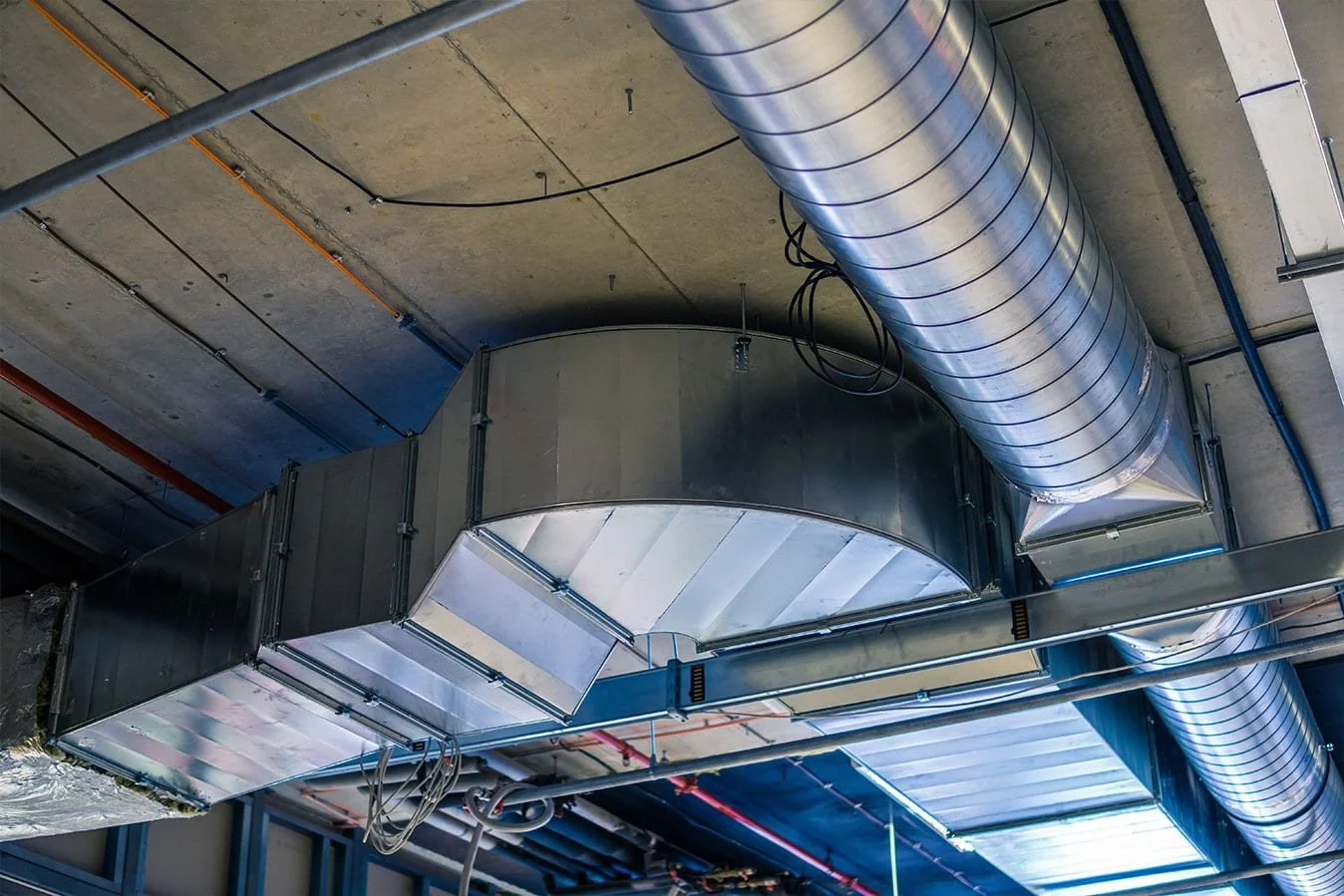
Your HVAC (Heating, Ventilation, and Air Conditioning) system controls the temperature and air quality inside your home or building. The air duct system is the network of metal or flexible tubes that moves heated or cooled air from the HVAC unit to every room — and back again.
What Even Is a HVAC?
WHY?
The Importance of Good Air Quality
Indoor air can be up to five times more polluted than outdoor air, and much of that pollution hides in your ductwork.
Contaminants like mold spores, bacteria, and fine dust don’t just stay trapped — they circulate through your space with every cycle. Over time, this exposure can trigger asthma, allergies, fatigue, and even long-term respiratory issues.
Investing in routine duct cleaning isn’t just about maintenance — it’s a direct investment in the health and well-being of everyone who breathes your air.
WHEN?
Signs its Time for a HVAC Air Duct Cleaning
No Cleaning Done in the Past 2-3 Years
Allergy or Asthma Flare-Ups Indoors
Musty or Stale Odors When the HVAC is Running
Inconsistent Airflow From Room to Room
Higher Energy Bills Without Explanation
Recent Renovation or Construction Work
Dust Around Vents or Registers
Pest Infestations or Signs of Rodents
MAINTENANCE IS KEY
What’s In Your Ducts Is In Your Air
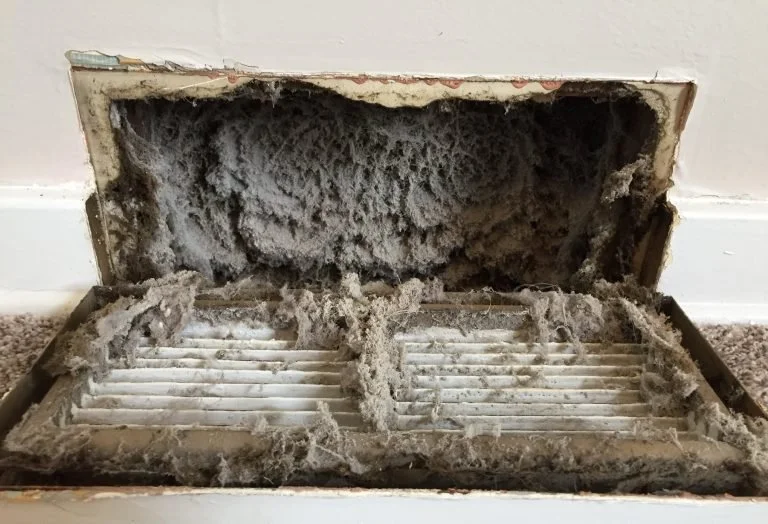

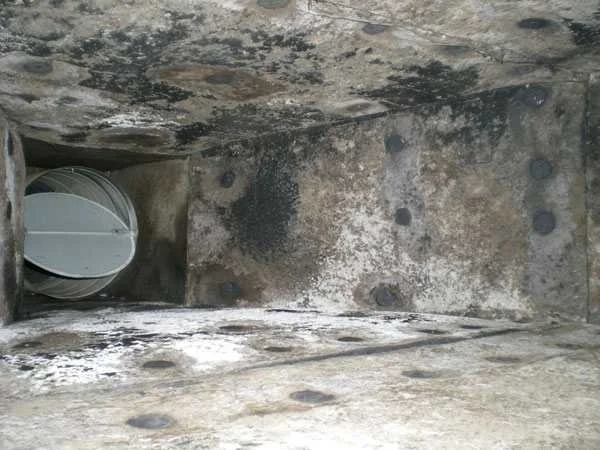
THE DIFFERENT KINDS OF POLLUTION POTENTIALLY CIRCULATING INSIDE OF YOUR HOME OR COMMERCIAL SPACE
-
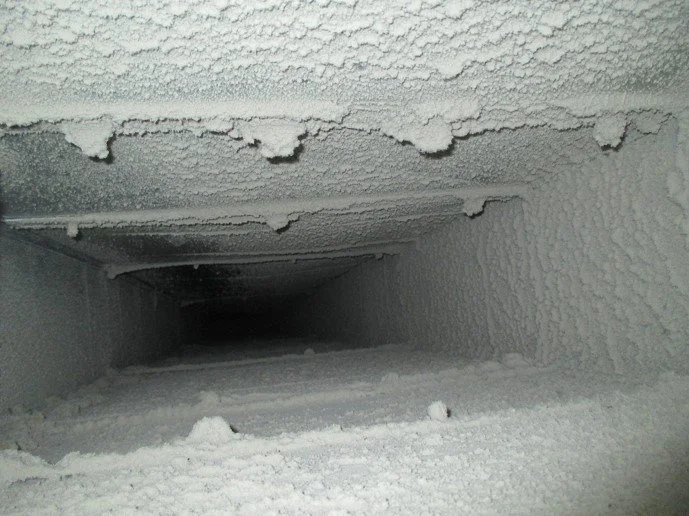
Source: Skin cells, clothing fibers, tracked-in dirt, paper dust, insulation fibers.
How it builds up: Everyday life stirs up fine dust. Your HVAC system recirculates this, and particles settle on duct surfaces and filters.
Health impact:
Triggers sneezing, coughing, sinus congestion
Worsens asthma and allergy symptoms
Can irritate the eyes and throat over time
-
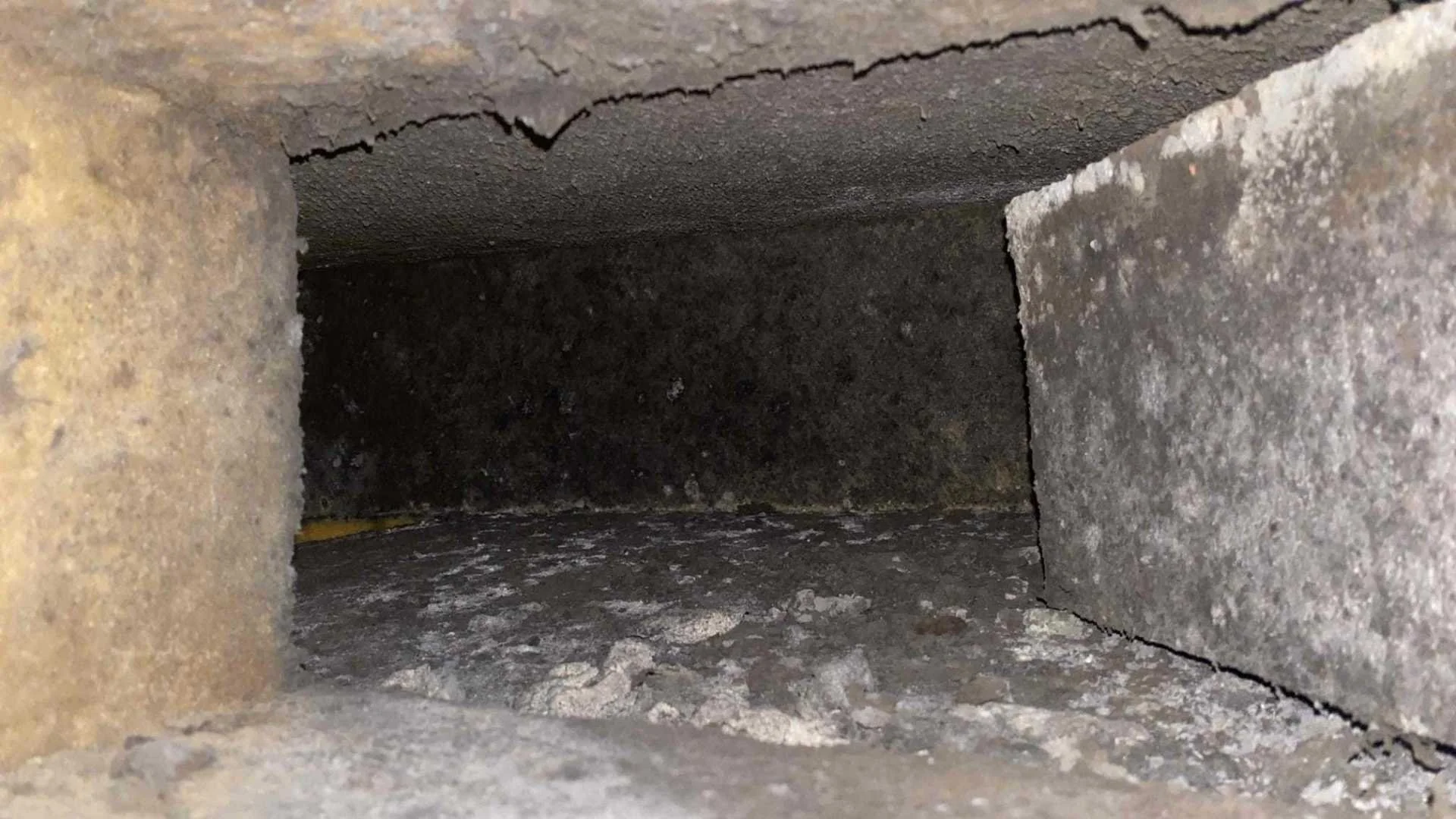
Where it comes from: Lint and textile fibers originate from clothing, furniture, carpets, bedding, and other household fabrics. Every time we move, sit, clean, or do laundry, microfibers are released into the air.
How it builds up: Over time, lint combines with dust, pet dander, and humidity in the system, creating layers of soft but dense buildup. It clings easily to the metal interiors of ducts, especially around bends and air handler connections.
Health impact:
Acts as a trap for other pollutants like pollen and mold spores
Can irritate lungs when recirculated into the air you breathe
Increases strain on your HVAC system, reducing efficiency
May contribute to persistent indoor dust and worsened allergy symptoms
-
Source: Shedding skin cells and fur from dogs, cats, and other furry pets.
How it builds up: Dander becomes airborne and sticks to duct surfaces and dust, building up quickly in homes with pets.
Health impact:
Major allergy trigger
Worsens eczema, asthma, and sinus inflammation
Lingering dander affects indoor air even if pets are no longer in the home
-
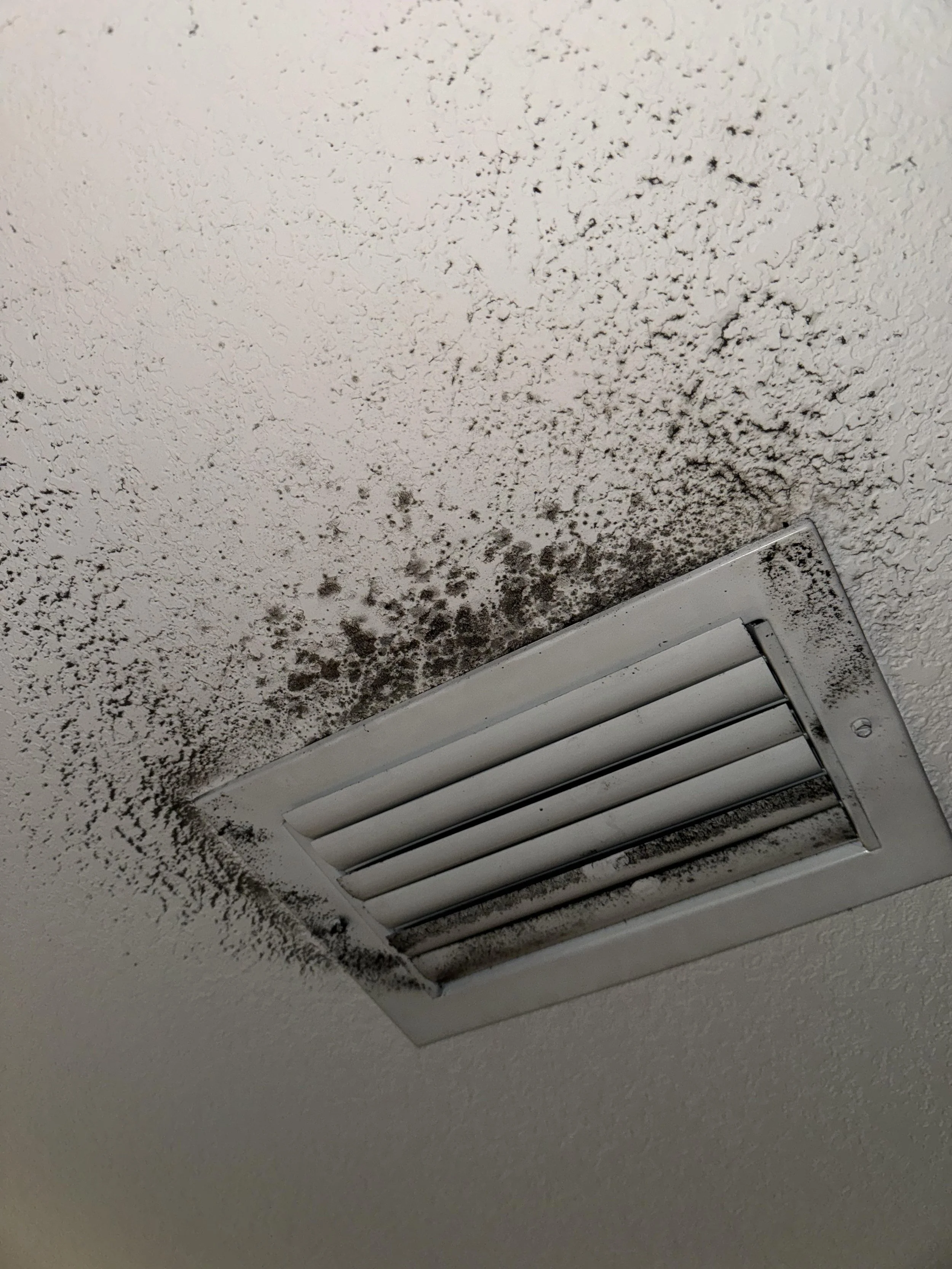
Source: Bathrooms, basements, roof leaks, moisture inside ducts.
How it builds up: Warm, humid air or condensation creates the perfect environment for spores to colonize inside ducts and vents.
Health impact:
Causes allergic reactions, respiratory distress, and chronic sinus infections
Long-term exposure may contribute to fatigue and brain fog
Dangerous for individuals with weakened immune systems or mold sensitivities
-
Source: Drywall dust, sawdust, insulation, adhesives, paint particles.
How it builds up: Fine particulates from remodeling projects settle in ducts where regular HVAC filters can't reach.
Health impact:
Irritates lungs and sinuses
May introduce silica or VOCs into breathing air
Increases indoor air pollution long after construction ends
-
Source: Trees, flowers, grass — especially during spring and fall.
How it builds up: Pollen enters through open windows or doors and clings to dust inside your HVAC system.
Health impact:
Triggers sneezing, itchy eyes, and hay fever
Can keep allergy symptoms active even when pollen is low outdoors
May impact sleep quality and daily comfort
-
Source: Rodent nesting, droppings, dead insects, shed skins.
How it builds up: Rodents and bugs enter through cracks or open vents, and their debris remains in the system even after extermination.
Health impact:
Can expose occupants to bacteria, viruses, and parasites
Releases allergens that aggravate asthma and respiratory issues
Rodent urine and feces may trigger serious illnesses like hantavirus or leptospirosis
-
Source: Cleaning products, paints, air fresheners, glue, flooring, furniture.
How it builds up: VOCs are airborne chemicals that stick to dust and duct linings, especially in poorly ventilated homes.
Health impact:
Can cause headaches, dizziness, nausea
Long-term exposure linked to central nervous system damage and respiratory illness
May increase cancer risk depending on compound and exposure level
We Remove What Doesn’t Belong In Your Air.


We Remove What Doesn’t Belong In Your Air
SCHEDULE A CLEANING TODAY
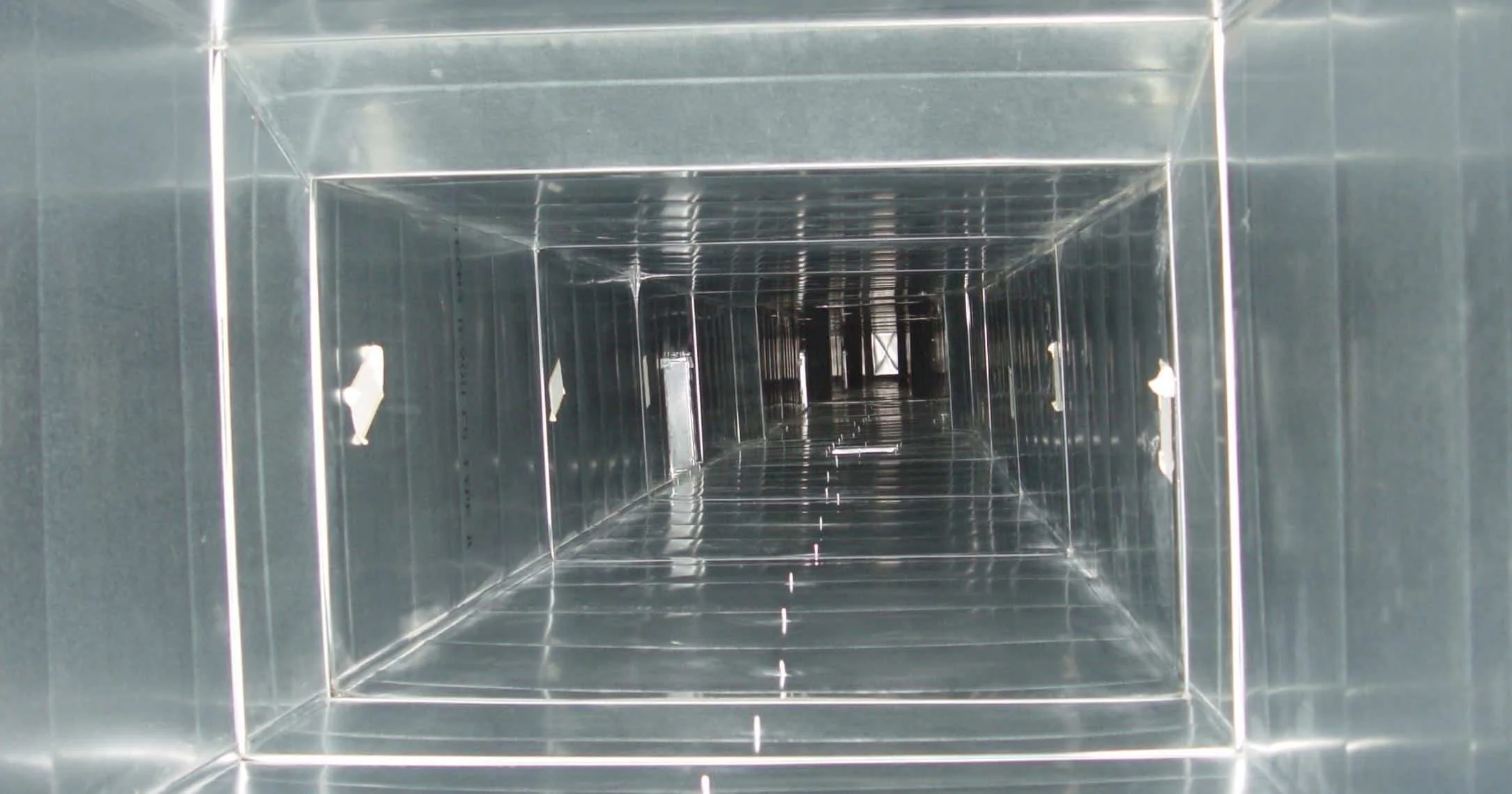
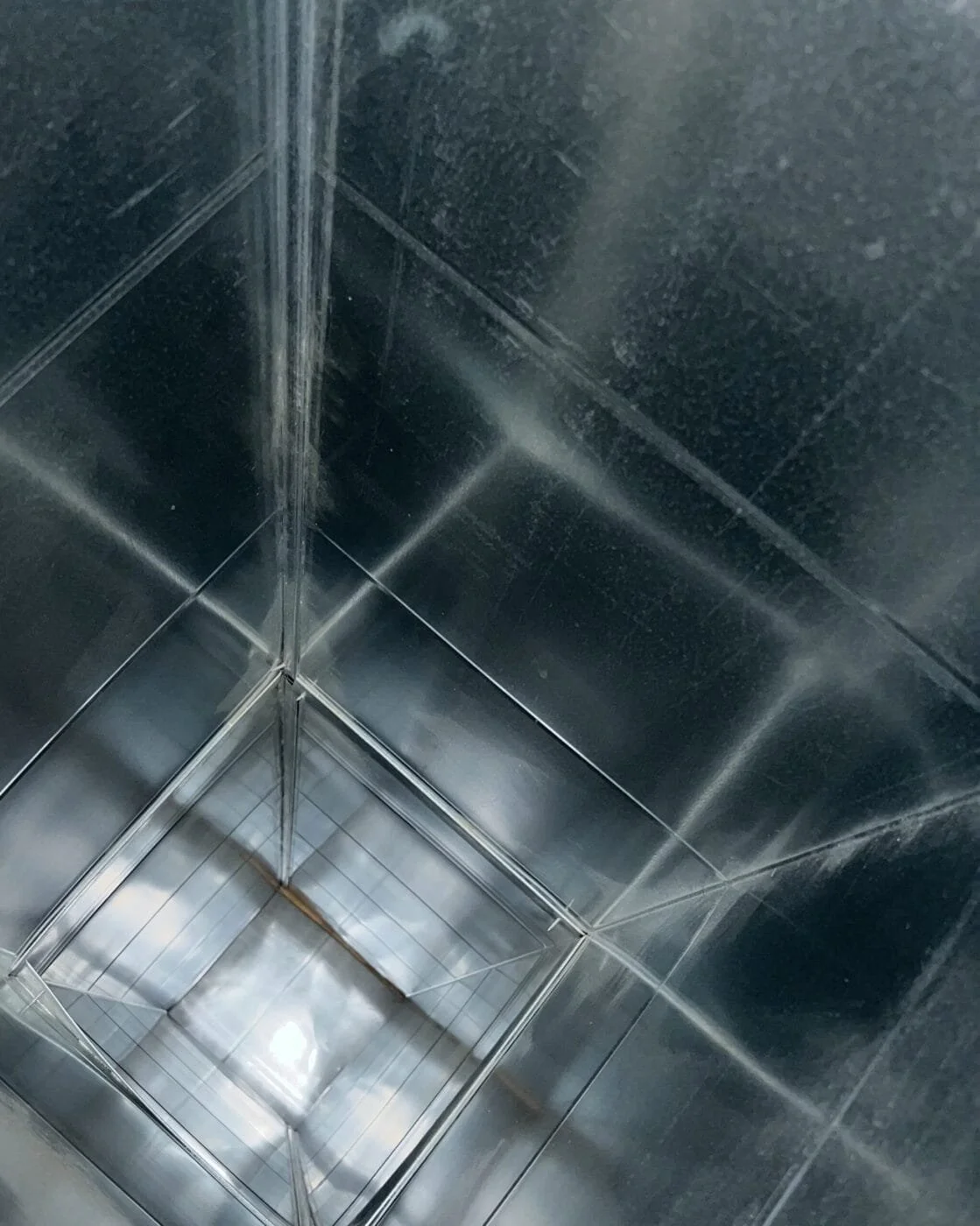
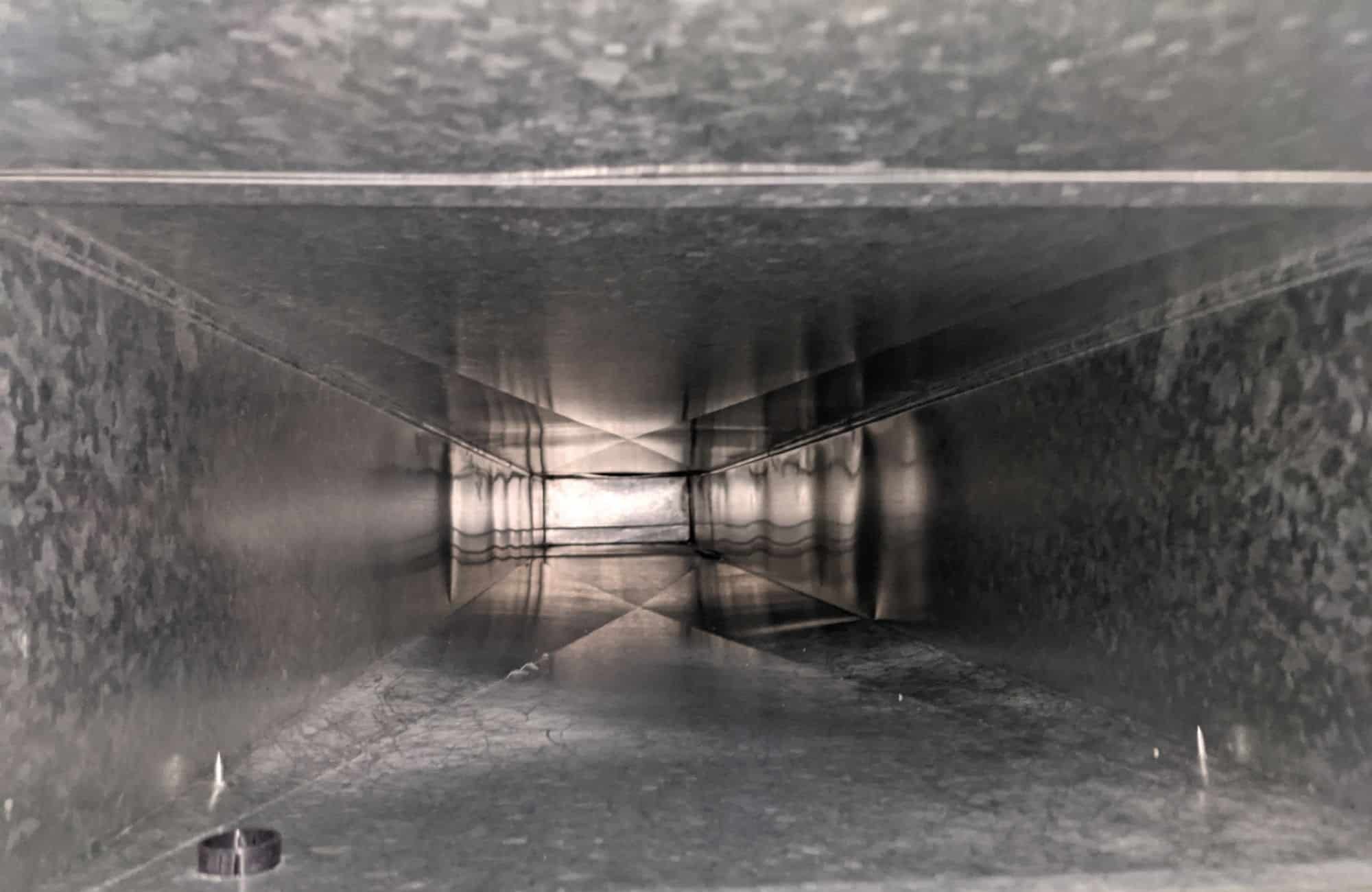
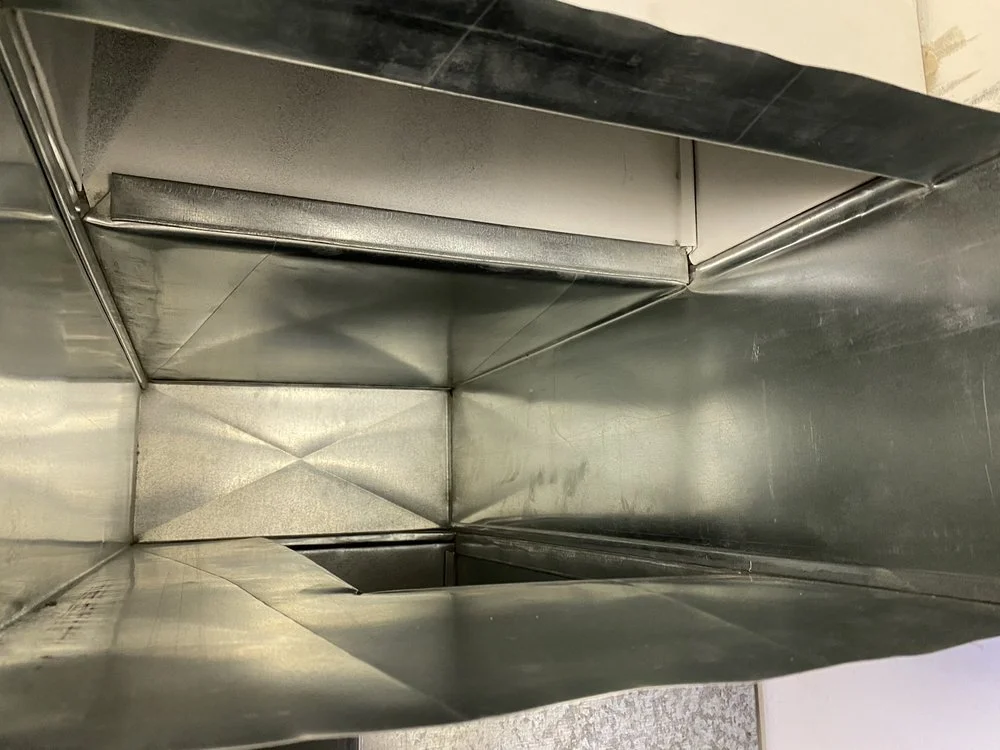
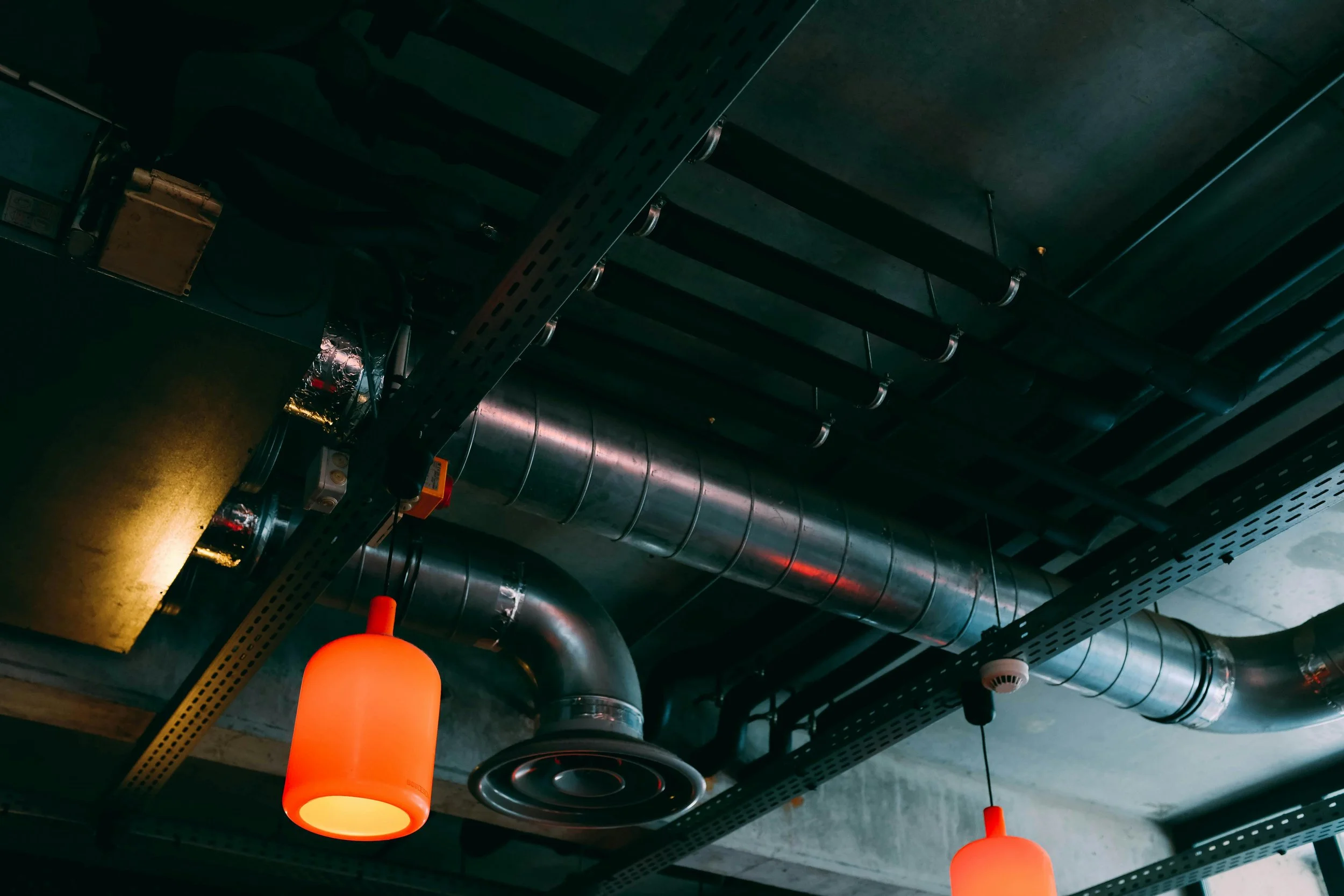
Clean air ducts can reduce airborne dust by up to 40%, helping improve indoor air quality and HVAC system efficiency. After a professional cleaning, buildup that’s been accumulating for years—dust, allergens, pet dander, and even mold—is removed from deep within the system. What you're seeing here are ducts restored to a clear, unobstructed state, allowing air to flow freely and your system to operate as it was meant to: clean, quiet, and efficient.
Cleaned and Clear

Residential

Commercial
Our HVAC Air Duct Cleaning Process
We use industry-standard equipment and EPA-approved sanitizing agents to ensure optimal airflow and indoor air quality. Our process includes:
Cleaning and sanitizing all main ducts, branch lines, diffusers, registers, and dampers.
Disinfection of all ducts, vents, and registers using an EPA-registered germicidal solution.
Deployment of a high-powered, truck-mounted air compressor system to evacuate dust and debris from the duct system.
STEP-BY-STEP
Zoning the System: The supply and return sides of the system are separated using a sealed furnace filter wrapped in protective plastic, allowing each network to be cleaned independently and effectively.

Power Vacuum Setup: An access opening is created in the supply plenum to attach a flex duct, which connects to our HEPA-AIRE power vacuum system. This generates high-velocity negative pressure, pulling loosened contaminants through a sealed multi-stage filtration unit.

Branch Line Cleaning: Each branch is cleaned individually, starting from the furthest point. Registers and boots are blasted with compressed air using a specialized air booster gun to push debris toward the main duct run and into the vacuum.

Air-Sweep Technology: Forward and reverse air-sweep assemblies are fed into each branch to dislodge contaminants and ensure full-length cleaning. Reverse sweep is used when access is available from the main trunk line.

Mechanical Agitation: Rotary brushes and duct whips are used to agitate and remove debris clinging to inner duct surfaces, especially in hard-to-reach areas.

Main Trunk Line Cleaning: The main supply run is cleaned using both reverse air-sweep and agitation tools. One-inch access holes are created every 25 feet to ensure thorough reach and are sealed upon completion.

Return Duct Cleaning: The return air system is cleaned using the same methodical process applied to the supply side, ensuring full-system coverage.

Blower & Coil Cleaning: Blower compartments, motors, coils, and internal components are cleaned to remove accumulated dust and improve system efficiency.

Seal & Restoration: All access points are sealed with industrial-grade caps, and any created access doors are properly closed to maintain system integrity and allow for future cleanings.